One week ago, I observed a situation that gave me a lot to think about: at one of the first lectures of this semester, a professor openly accused us for lack of respect, compared to the reverence that students had for professors in the past. The absence of respect is a topic that, in the last few months, I almost unwillingly got to meditate upon every time I went out, noticing how the general behavior people – especially young ones, but not only – has degraded a lot.
Today’s world is in a continuous change, faster than ever. We strive for efficiency and improve our technologies day by day. The value systems are being redefined, prejudices are abandoned, community spirit fades away. Everything is possible, almost everything is accepted. As a result, we are less disposed to pay attention to details that some time ago represented an entire code of good manners. The rules of social behavior are somehow rewritten, rigid customs are left behind in favor of openness and authenticity. But should there be a limit?
The unprecedented accessibility to resources, especially when it comes to information, has had an enormous impact on our social lives. In other times, education and services could only be provided by directly getting in contact with others. Today, because this mostly happens indirectly, via the internet, it is easier to take everything for granted, which sometimes results in a lack of respect and care for the people around us. This aspect is not at all beneficial to our social and emotional health. Such a society becomes hostile and unsafe – and it depends on all of us to keep our social environment healthy.
However, while politeness is a must, respect is not something be asked for directly: it can only be earned. Fear or hierarchical position can never generate respect by themselves, especially nowadays, when traditional hierarchy gradually loses its sense in favor of the so-called ‘flat hierarchy’ – a system of collaboration where individual abilities are encouraged and everyone is seen as equally important. In this context, the word ‘respect’ should only refer to its authentic sense: your quality as a human being, as it shows in your actions and attitude.
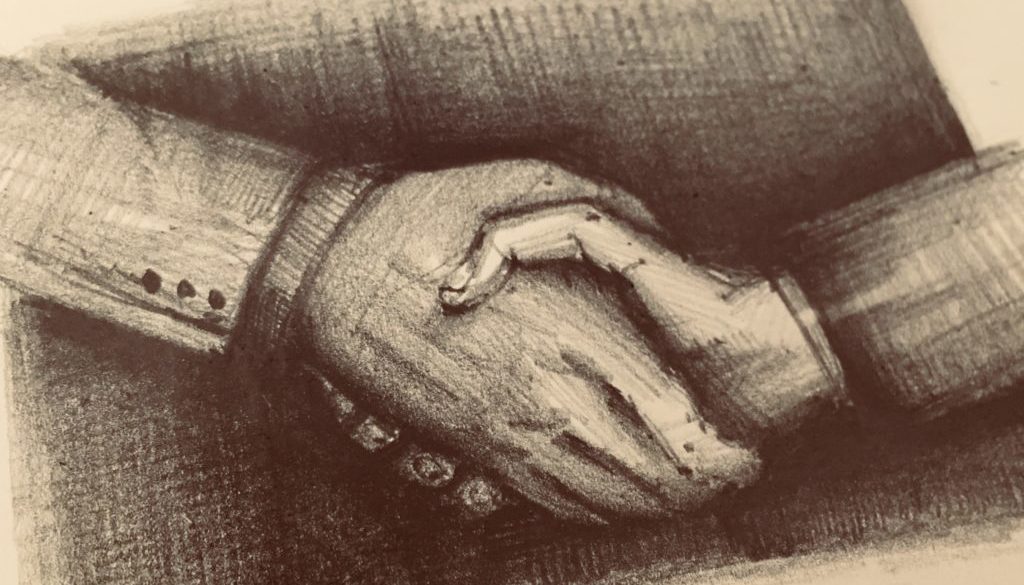
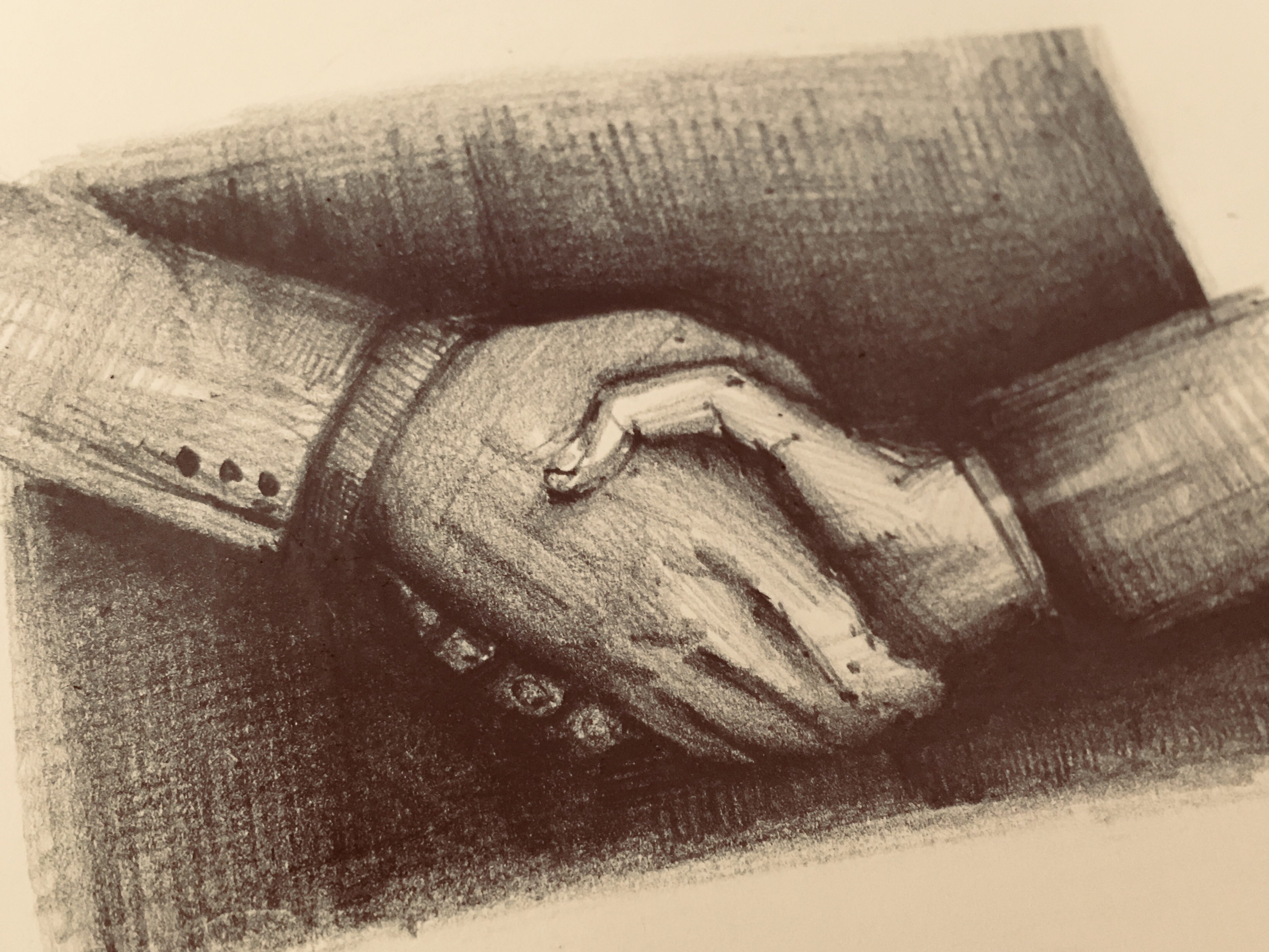
We are all parts of the same scheme, working according to our own abilities and resources at a certain time. Our existence in society is about giving and receiving and this process of interchange is what keeps us alive. In this sense, I will share with you a quote by Constantin Noica: ‘The giver exists for the receiver. How grateful should the doctor be to the patient that he healed! We don’t know who gives and who receives.’ We have to understand that the world needs all kinds of people, and the only judging criteria should relate to their performance, not their job position, not their age. Needing one another is what keeps a society bound and strong. Collaboration will always remain essential for our survival, as civilizations and individuals at the same time. On the other hand, the ones that look down on others because of their hierarchical position, as well as the ones who ask to be treated with respect while not giving it back in return, only show ignorance.
In order to avoid the ignorance trap of self-sufficiency, we have to remember that every object, every aspect of our life was made possible because somebody worked for that. All aspects of the world as we see them today were once thought about, discussed, planned, designed by people, starting from the most basic things to the highest human achievements. We may not always know these people’s names, we may never meet them in person, but we owe them respect, which can only add to our common well-being.